

The Bill of Rights is one of the (3) founding documents defining the United States of America. Some of the colonies would not ratify the constitution because they thought that there needed to be more protection against the possibility of tyranny. Every amendment in the Bill of Rights guarantees a right of the citizens, and is a limit of the authority of government.
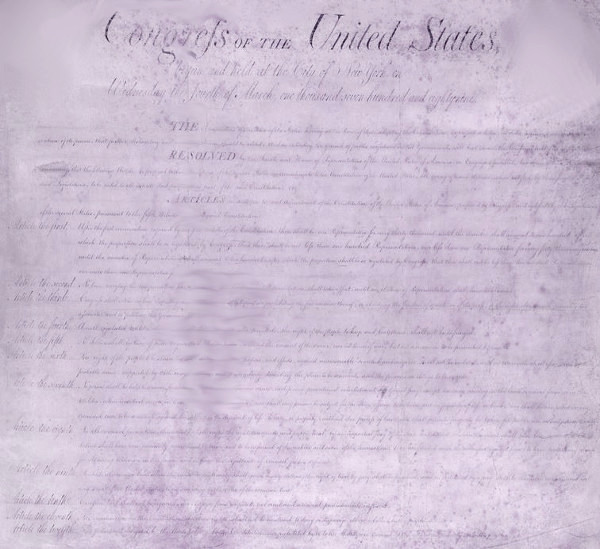
The Bill of Rights – an interactive summary
First Amendment – Freedom of speech, religion, assembly
Second Amendment – Freedom to possess and carry arms
Third Amendment – Sanctity of the home
Fourth Amendment – Right to fair and speedy trial …
Fifth Amendment – Right to due process, no double-jeopardy
Sixth Amendment – Right to fair trial and with representation
Seventh Amendment – Right to trial by jury …
Eighth Amendment – no excessive bail nor cruel punishment
Ninth Amendment – No Constitutional details restrict rights …
Tenth Amendment – Powers not explicit in the Constitution, are reserved for the States or the People